Ground water level and Cauvery water supply status in Sannatammanahalli
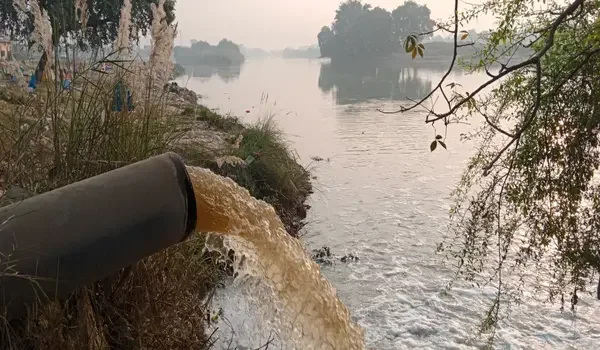
Featured Image of Ground Water Level And Cauvery Water Supply Status In Sannatammanahalli


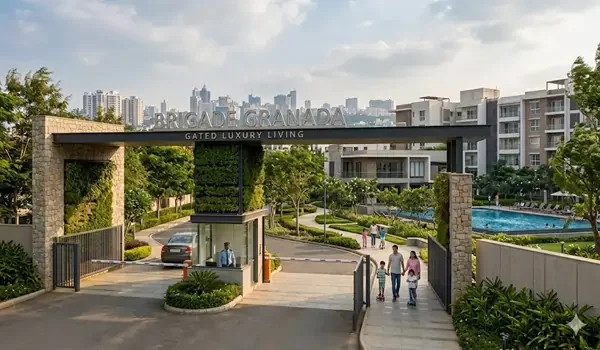
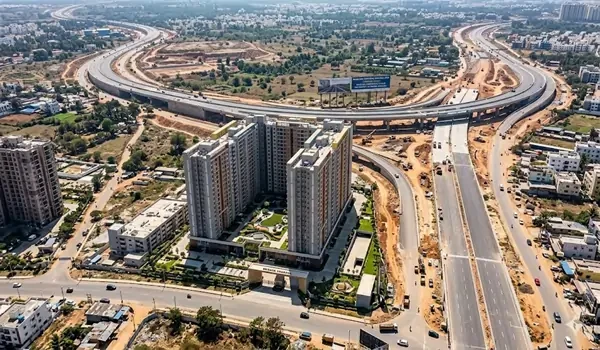
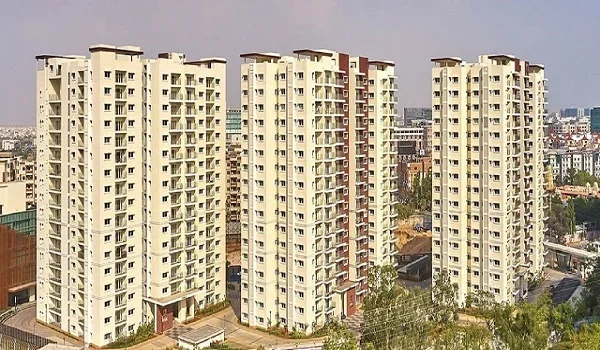
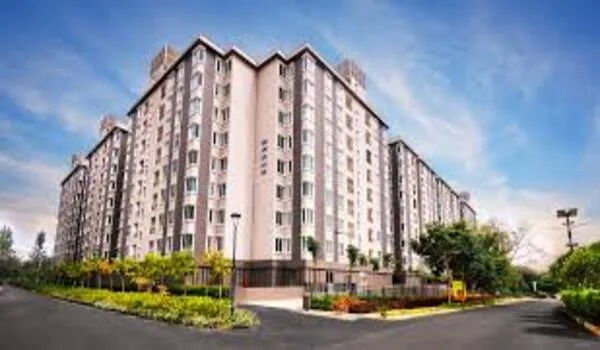
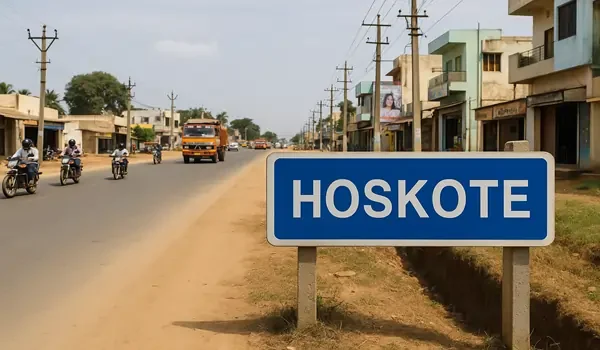
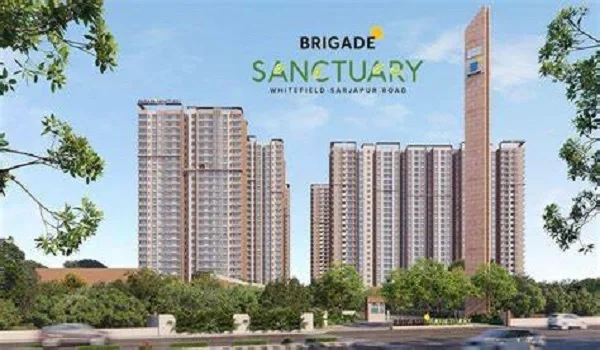
The groundwater level and Cauvery water supply status in Sannatammanahalli, East Bangalore, are at a critical turning point. The local water table is very low, sitting between 1,200 and 1,500 feet below the ground, but the city is slowly bringing in new government water pipelines. This neighborhood sits right along the busy Whitefield-Hoskote Road and is growing very fast every day. Fast growth means the area needs a lot of water, especially with massive new housing projects coming up, such as the 20.19-acre Brigade township that will hold around 2,000 apartments across 14 tall towers.

Because local borewells are drying up from too much drilling, the government is working to extend the Cauvery Phase 5 water network to these newer areas. For now, water still mostly comes from private tankers and borewells. This is why home buyers must look closely at the water situation, check if the builder has rainwater storage, and see how they handle the water supply before moving in.
Current Cauvery Water Supply Framework in Sannatammanahalli


Municipal water pipes are expanding fast across Sannatammanahalli right now. The government is working hard on the big BWSSB Phase 5 water project. This massive project aims to bring 775 million liters of clean water every single day to East Bangalore. The main water lines run right along the Whitefield-Hoskote corridor. Workers are now connecting these main lines to the local streets. This will bring steady tap water to all the new homes.

  • Pipe Network Status: Workers have finished laying the main pipes along the roads. They are now linking individual houses to the network.
  • Smart Water Storage: Big projects like the 20-acre Brigade Granada township do not just wait for city water. They build large internal tanks and rain collectors to stay safe.
  • Lower Monthly Bills: Getting direct city water helps local families save a lot of money. It cuts down the need for costly private water tankers by about 40%.

Analysis of Groundwater Levels and Subsurface Aquifers


The underground water level in Sannatammanahalli follows the general pattern of the Whitefield zone. The ground here is made of very hard rock. People have to drill deep borewells down to 1,500 feet to find water. Roads and concrete buildings cover most of the land now. This stops the monsoon rain from soaking into the earth naturally. Because of this, the government sets very strict rules for saving rainwater.

The water level changes depending on where you build. Lands near old lakes have more water than areas up on the high main road.

Water Metric Current 2026 Status
Borewell Depth 1,200 to 1,500 feet deep
Season Changes 15% to 20% drop in water levels during summer months
Water Hardness (TDS) 800 to 1,200 ppm (Needs a standard home water filter)
Rainwater Rules Every new roof must have a system to catch rain

Sustainable Water Infrastructure at Brigade Granada


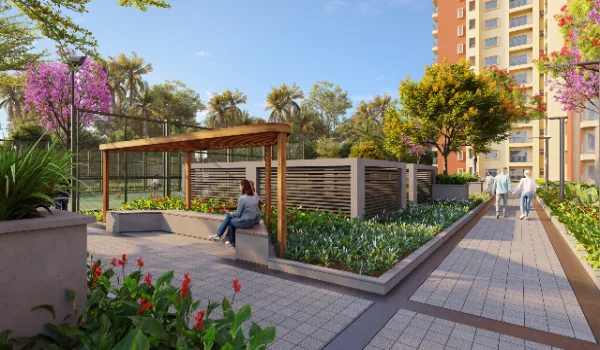
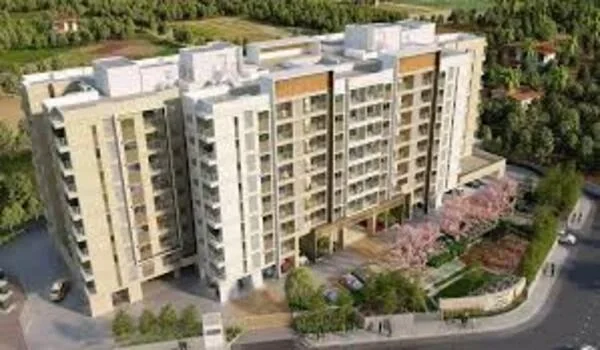
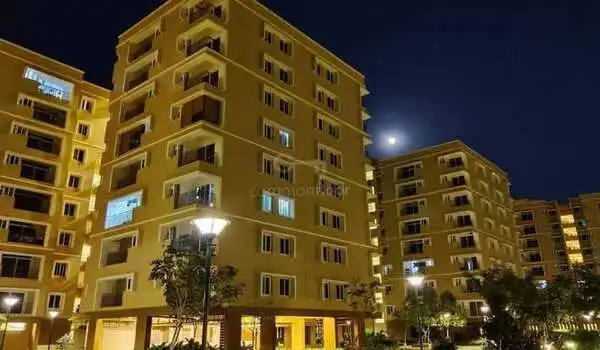
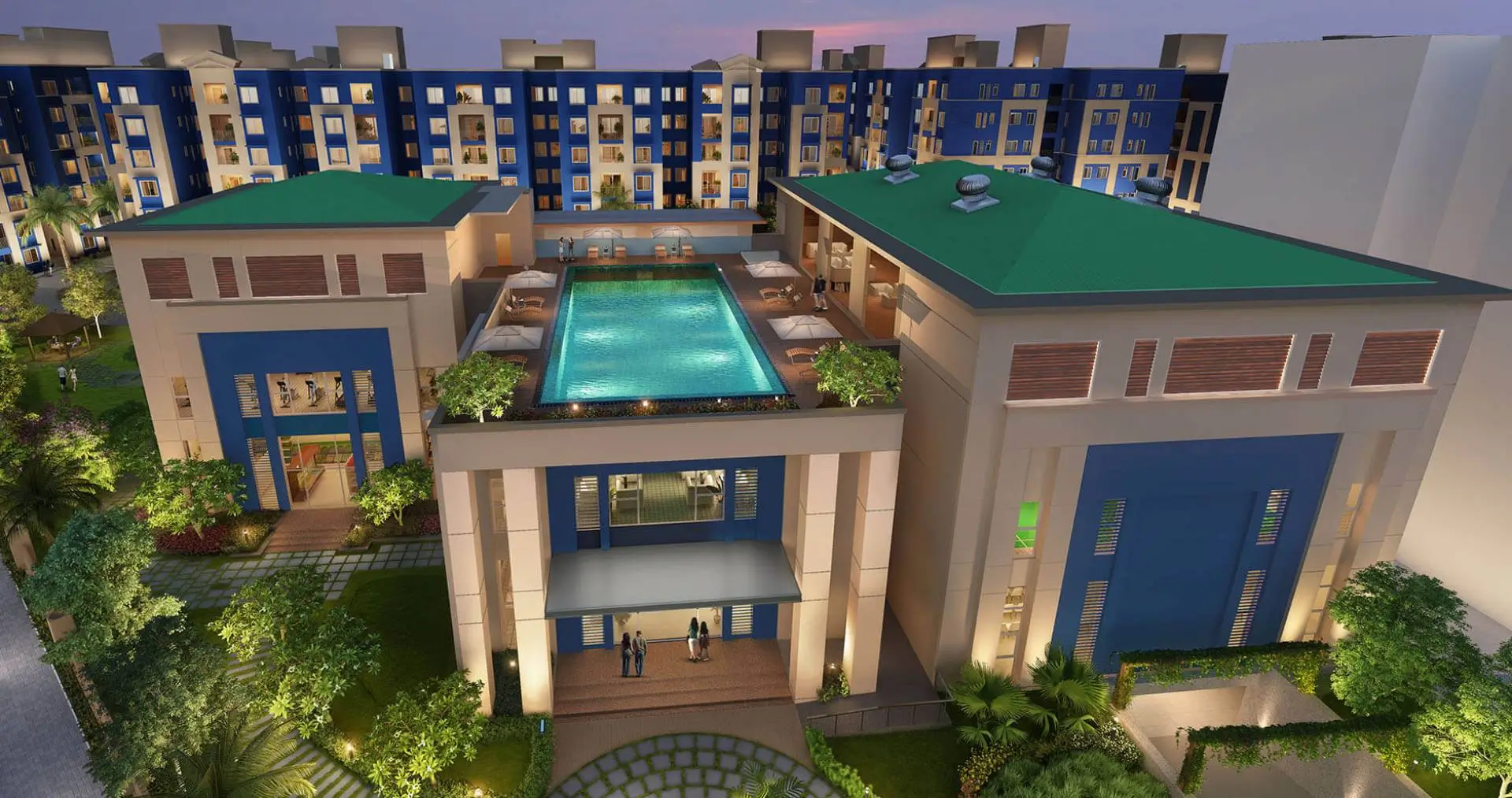
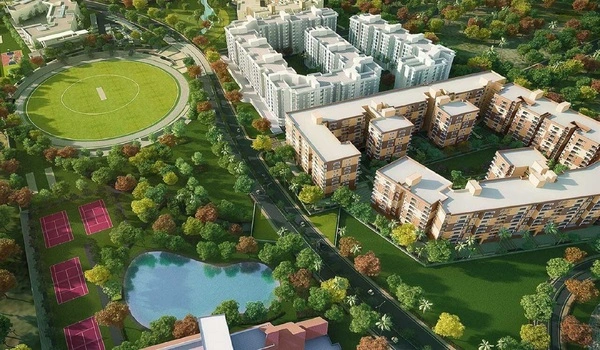
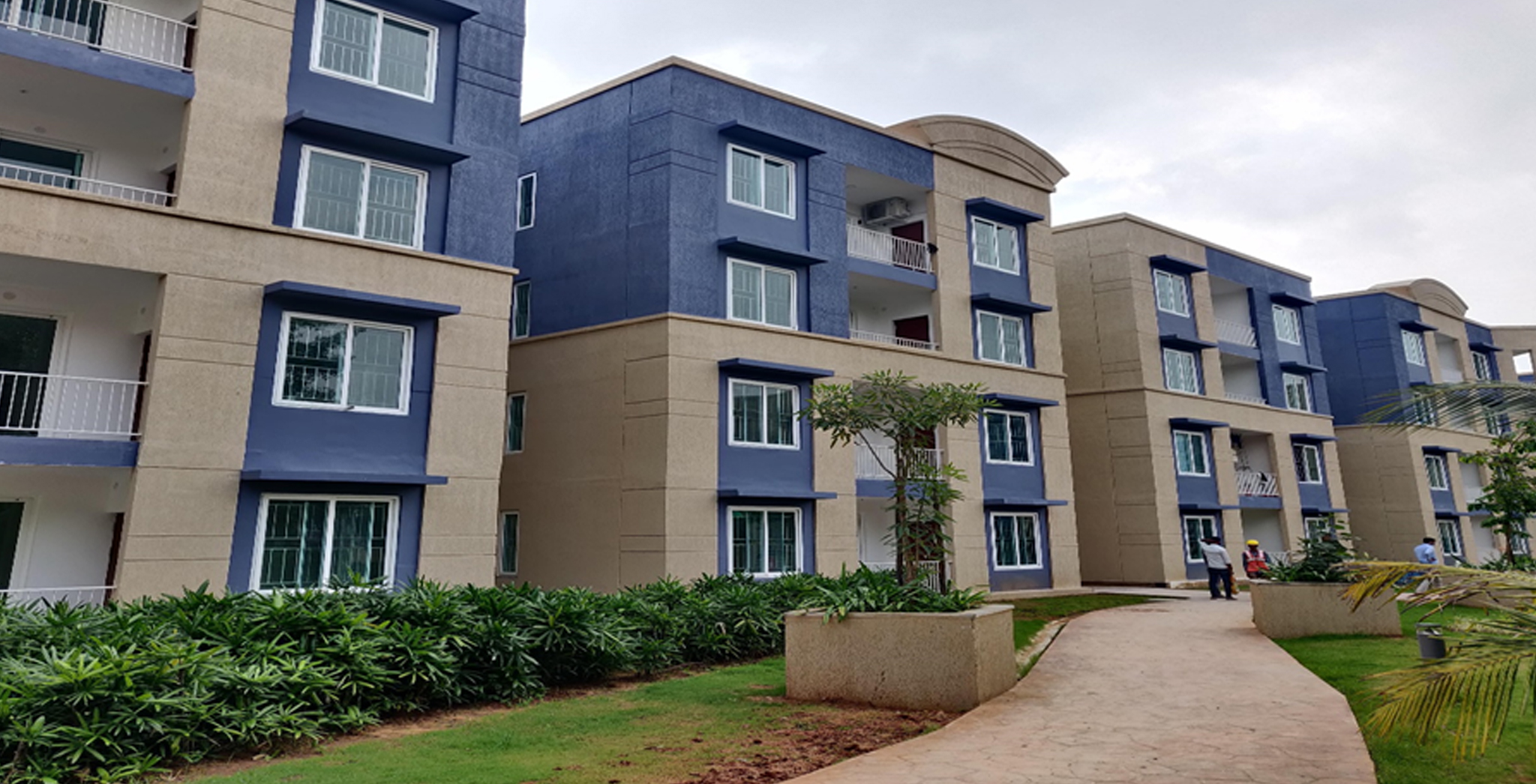
Brigade Granada handles the local water challenge by keeping 80% of its 20-acre land completely open. This massive green space lets rainwater sink deep into the soil. The water goes down to refill the local water table naturally. The project features 14 high-rise towers that stand 24 floors tall. The builder uses smart, modern, eco-friendly systems to save every drop of water.

  • Smart Home Apps: The apartments use automated systems to track daily water use. The system sends a quick alert if a tap is leaking.
  • Two Separate Pipes: The buildings use two different pipelines. Clean water goes to the taps, while recycled water is used to flush toilets and water plants.
  • Natural Lake Benefit: The site sits right behind the Bellandur Amanikere Lake area. The lake keeps the nearby soil moist and keeps underground water stable.

FAQs


1. What is the primary source of drinking water in Sannatammanahalli today?

Sannatammanahalli gets its water from deep borewells and new city pipelines. New apartment areas mix these two options with large tanks that catch rain. This helps make sure that homeowners do not run out of water.
2. How does Brigade Granada ensure long-term water security for its residents?

Brigade Granada leaves 80% of its land open so rain can soak into the soil. The buildings use two sets of pipes to recycle wastewater for flushing and gardens. The project also sits near a natural lake that keeps the water table high.

3. Is the groundwater quality in the Whitefield-Hoskote Road region safe for direct use?

The water from the ground is very hard because it has high mineral levels. It works well for washing clothes and cleaning the house. However, you must use a standard home filter to clean it for drinking and cooking.

4. How far is the nearest Namma Metro transit option from the Sannatammanahalli micro-market?

The Kadugodi Metro Station is the closest stop and is only a short 5-minute drive away. It sits just 3.3 km from the main neighborhood. This helps people travel to work fast without getting stuck in heavy road traffic.

Brigade Granada Blog


Enquiry
Enquire Now