Centralized vs decentralized property management models for large scale townships

Featured Image of Centralized vs decentralized property management models for large scale townships


Centralized property management models for large-scale townships cut operational costs by 25% while decentralized models fix maintenance issues in under 30 minutes. Choosing how to run a large township is a major decision. Your choice directly affects how much you spend on staff and how happy your residents are. Large townships are like small cities with many homes, shops, and parks. Managing these mixed spaces is hard. You must keep bills low while keeping service fast. A single-office system handles everything from one main desk. Local setups put separate teams in each area. Most developers now mix both ideas. This is called a hybrid model. It gives you the best of both worlds.

Unpacking the Mechanics: How Centralized and Decentralized Systems Work


Centralized setups run all tasks through one main office to lower labor costs by 15%, while decentralized setups let local teams make fast decisions. This division of labor decides whether a township values tight financial control or fast local action.

The Centralized System Process

The centralized system processes all resident bills from a single main computer to save time and reduce errors. This model uses one main office for all tasks. This office handles bills, hiring, and big contracts. This saves a lot of money. It lets you buy things in bulk. It also keeps all the rules the same for everyone. But this plan can be slow. Local workers must wait for central approvals to buy tools. This slows down simple repairs. Residents get upset when small jobs take days.

The Decentralized System Process

The decentralized system places dedicated staff in each zone to cut emergency repair times down to 15 minutes. This setup puts staff on each neighborhood block. Each group has its own small budget and tools. This makes work very fast. Plumbers can fix leaks in minutes. Residents feel heard and happy. They get to know their local team well. But this plan costs more. You have to pay more workers. You also have to buy more tools for each zone. Service quality can vary if teams are not trained well.

Data-Driven Comparison: Cost Savings vs. Response Speed


Single-office setups save 30% on tool costs while local setups keep 95% of residents happy with fast help. Balancing a township budget means weighing these savings against the speed of service.

Service Area Single Office Model Local Team Model
Emergency Repair Time 12 to 24 Hours Under 30 Minutes
Office Staff Costs 15% to 20% Lower 20% to 25% Higher
Contract Buying Power High (One Big Deal) Low (Many Small Deals)
Service Consistency Same Across All Areas Varies by Local Team
Financial Tracking Simple (One Ledger) Complex (Many Budgets)
Sharing of Tools High (All Share Tools) Low (Each Buys Own)

The Hybrid Blueprint in Action: Strategic Analysis of Brigade Granada


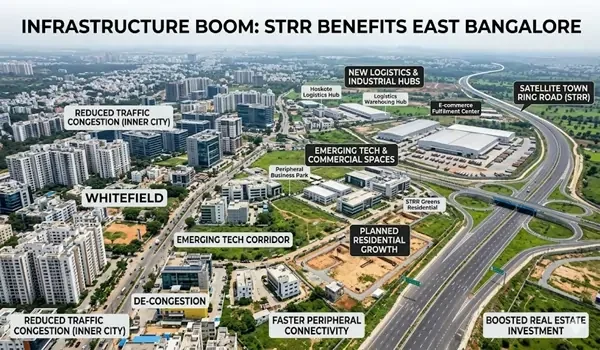
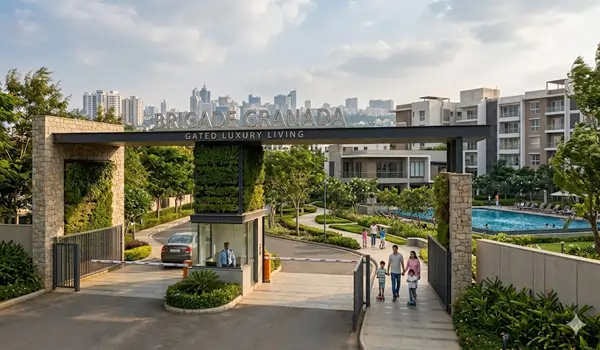
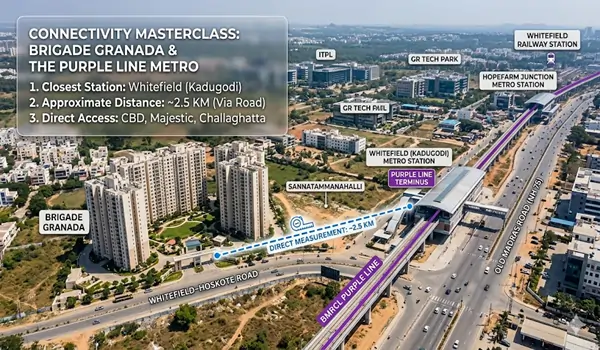
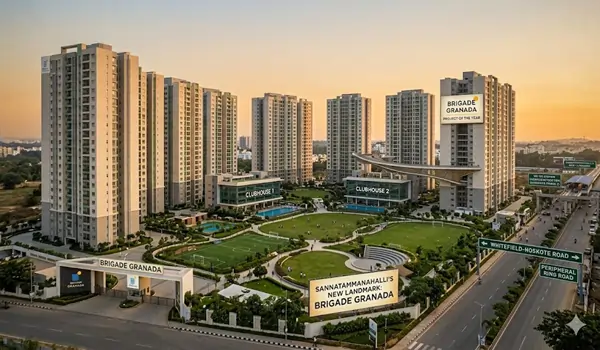
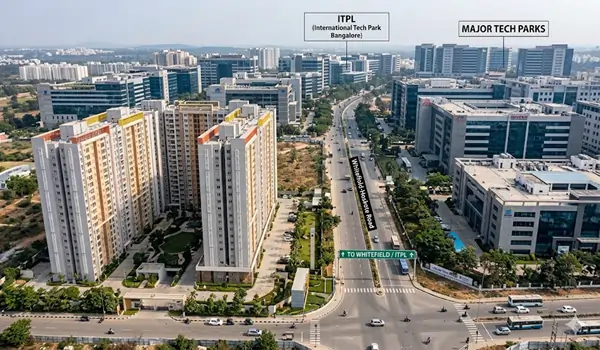
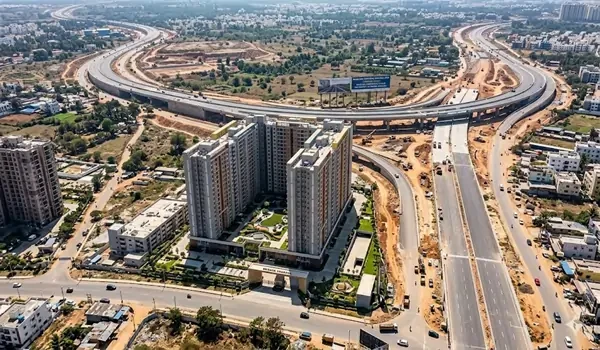
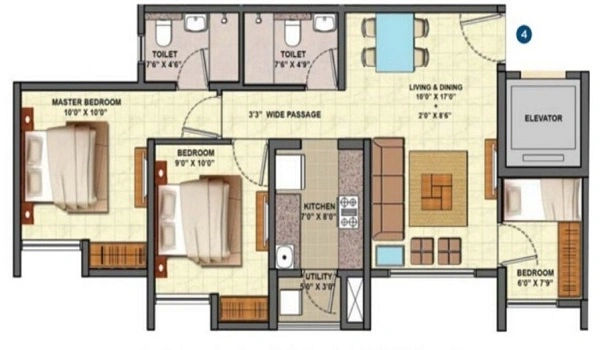
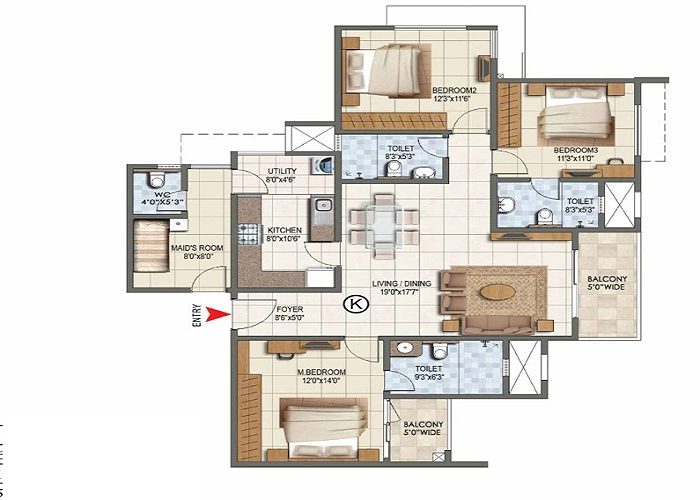
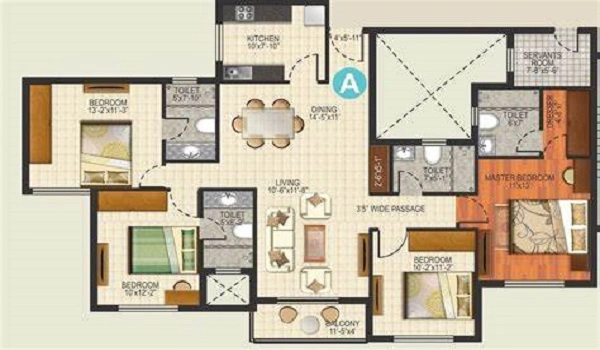
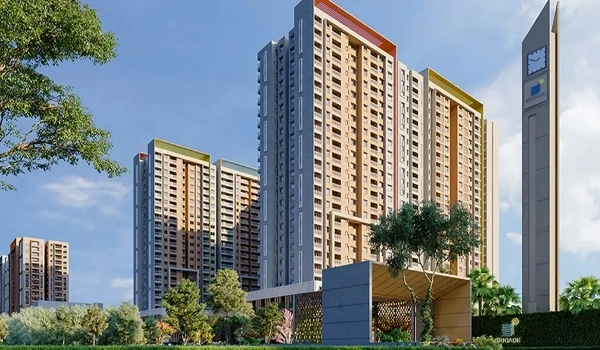
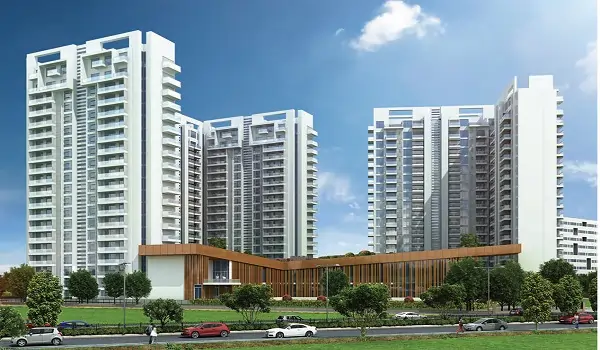
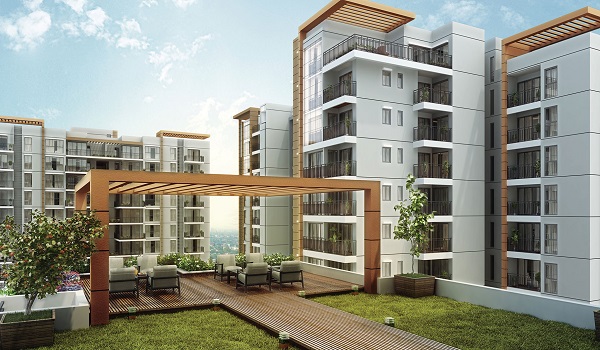
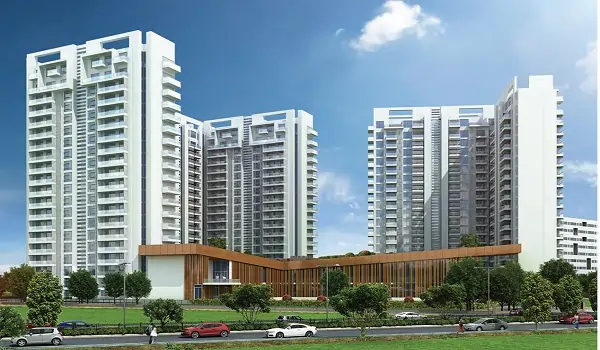
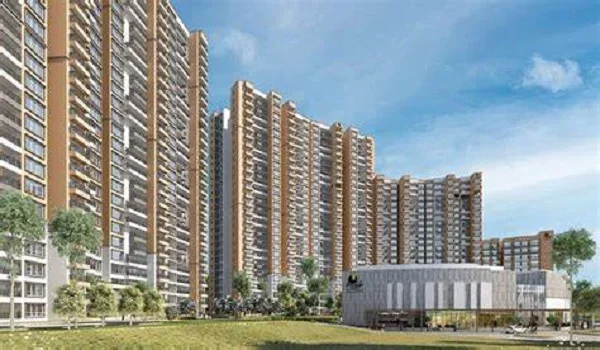
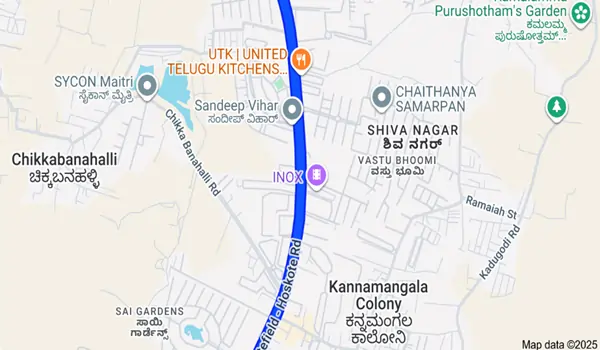
The luxury Brigade Granada township uses a mixed care model across its 20-acre site to serve 2,000 premium apartments with local tower captains. Designed by the Brigade Group, this high-end project sits on the Whitefield–Hoskote Road in East Bangalore. It features 14 tall residential towers rising to 24 floors. It has 80% open green space. It needs a smart mix of central systems and local care to work well.

  • Central Services: Central teams manage the big utility systems. These include water plants, power grids, and waste systems. A central team runs these to keep bills low. This keeps maintenance fees low for all flat owners.
  • Local Services: Local teams handle the daily services. These include cleaning the 50,000 sq. ft. clubhouse, the rooftop pool, and home repairs. Having captains on the ground means residents get fast help. They never have to wait for corporate approvals.

Execution Playbook: Step-by-Step Transition to a Hybrid Management Model


Transitioning to a hybrid management model requires a structured 180-day plan to move accounts and train local teams. This careful step-by-step approach prevents service gaps.

  • Phase 1: Set Up the Central Office (Months 1–2)

The change starts by setting up a central business office to handle accounting. This main office organizes bulk contracts for security, landscaping, and waste disposal. This gets the best prices for the whole township. During this time, the team sets up a shared software system. This tracks all money and work orders in one place.

  • Phase 2: Create Local Zones (Month 3)

Next, the township is split into clear physical zones based on layout and use. Each area is treated as its own small zone. This includes tower blocks, shopping plazas, and parks. The management team assigns dedicated local repairers and a supervisor to each zone. They make sure teams have their own basic tools.

  • Phase 3: Launch the Resident App (Month 4)

In this phase, the township launches a simple mobile app. Residents use this app to pay bills and book facilities. They also use it to log maintenance help requests. While the system stores data centrally, the app works smart. It automatically sends repair tasks directly to the local workers in that zone.

  • Phase 4: Hand Over Local Power (Month 5 and Beyond)

In the last step, local managers run their own daily budgets. They can fix resident problems and small emergencies right away. Head bosses use the shared app to watch the work quality. They check the work each month to keep standards high. This smart mix saves money and gives residents fast help.
FAQs


1. Which property management model is best for a mixed-use township?
A hybrid model is the best choice for mixed-use townships. It allows you to centralize major vendor contracts to save money. At the same time, keeping local repair teams on-site ensures fast service.

2. How does technology bridge the gap between centralized and decentralized models?

Modern phone apps and software connect central offices with local teams instantly. When a resident reports a problem on the app, the system alerts the nearest local worker. This lets central management track the work without slowing down the repair.

3. Can an existing township transition from centralized to decentralized management?

Yes, an existing township can make this change using a 90-day plan. You must split your main budget into smaller zone budgets. Upgrading to a shared database is required so local teams can make quick decisions while central offices retain financial control.

Brigade Granada Blog


Enquiry
Enquire Now