Sewage Treatment Plan maintenance protocols and KSPCB compliance in high rises

Featured Image of Sewage Treatment Plan Maintenance Protocols And Kspcb Compliance In High Rises


Sewage Treatment Plant maintenance protocols and KSPCB compliance in high rises mandate that residential complexes exceeding 120 units must restrict Biochemical Oxygen Demand (BOD) to less than or equal to 10 mg/L and Total Suspended Solids (TSS) to less than or equal to 10 mg/L. This rule means clean water must not carry loose dirt or organic waste. Keeping these levels low protects your health. It also saves your housing society from huge fines under the Water Act of 1974. Resident Welfare Associations (RWAs) are legally responsible for keeping the good bacteria alive in these treatment tanks. Large plants handling over 100 KLD must link up to Online Continuous Effluent Monitoring Systems (OCEMS) for live tracking.

Property managers must check the machinery every single day. They must tune the air blowers and check the chemical dosing pumps. Cleaning out the thick sludge with mechanical press machines stops bad gases from building up. Following these rules keeps the local groundwater clean and safe. It also ensures the housing society gets its Consent to Operate (CFO) renewed without any legal drama.

Core KSPCB Effluent Standards and Regulatory Limits


KSPCB rules state that high-rise plants must keep the water pH balance between 6.5 and 8.5 while keeping bacteria strictly under 100 MPN/100 mL. These basic limits ensure the recycled water is completely safe to reuse for flushing toilets or watering your garden without any worry. To stop chemical pollution, the Chemical Oxygen Demand (COD) must stay under 50 mg/L, and apartment committees must hire certified labs to test the water every three months to stay fully legal.

  • Total Nitrogen (TN): Must stay under or equal to 10 mg/L to stop green algae from choking local lakes.
  • Ammoniacal Nitrogen: Capped at less than or equal to 5 mg/L to save fish and river life.
  • Oil & Grease Trap: Operators must clean this trap weekly to keep oil waste below 10 mg/L.

Critical Daily Maintenance Protocols for Operators


Daily checks mean keeping Dissolved Oxygen (DO) levels above 4 mg/L inside the aeration tank. Operators must also add enough chlorine to keep the final water safe from germs. Workers must clear the iron trash screens every single morning. This stops plastic bags and solid waste from choking the main pumps. The air blowers must pump plenty of fresh air to keep the bacteria healthy. If the bacteria die off, the operator must add fresh cultures immediately to fix the system.

Confined Space Safety and Sludge Handling


Safety rules for working inside underground tanks are very strict. Workers must always wear full oxygen masks before they step inside. The maintenance team has to run powerful exhaust fans to change the tank's air 25 times every hour. This keeps toxic gases out.

Two safety guards must stand right outside the open hatch at all times. They must hold heavy rescue ropes attached to the worker's harness. If the worker feels dizzy or faint, these guards can pull them up to safety instantly.

Note on Sludge Handling: For housing societies with small plants under 500 KLD, open drying beds are completely banned. These old open beds spread horrible smells and breed flies near homes. Instead, communities must use clean mechanical screw presses to squeeze and dry out the waste quickly.

Statutory Consent Framework and OCEMS Integration


The law says builders must get a Consent for Establishment (CFE) before they lay a single pipe. Later, they must renew their Consent for Operation (CFO) every five years. Very large properties treating over 1 MLD of water must install live internet sensors. These digital tools send water quality data straight to government computers to stop logbook cheating. If a plant fails these live tests, the board will block the building's final Occupancy Certificate (OC). RWAs must budget for sensor repairs to avoid sudden water or power cuts.

Real Estate Implementation: The Brigade Granada Case


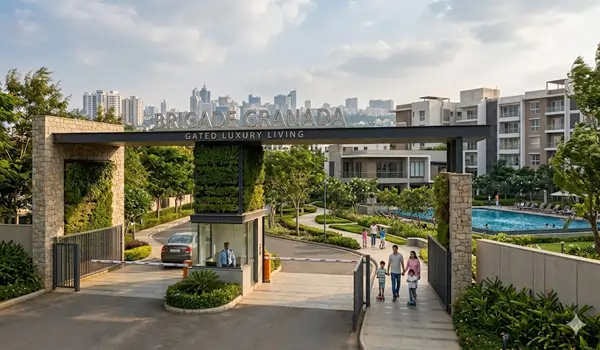
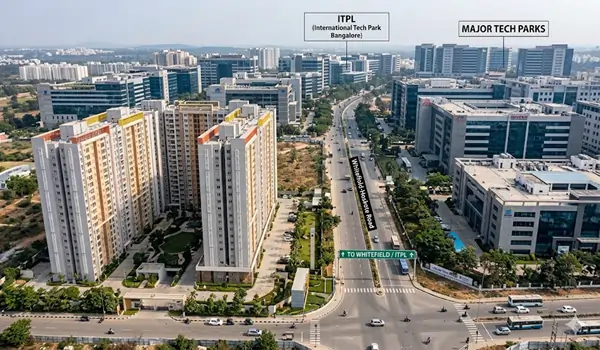
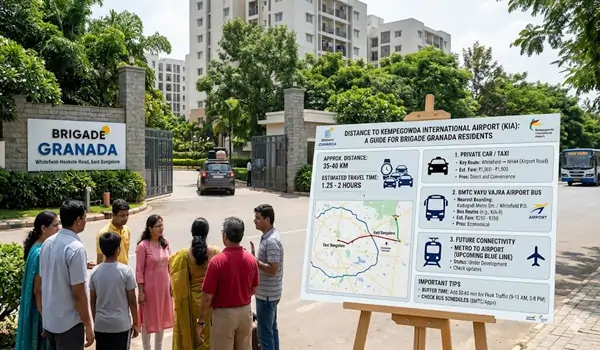
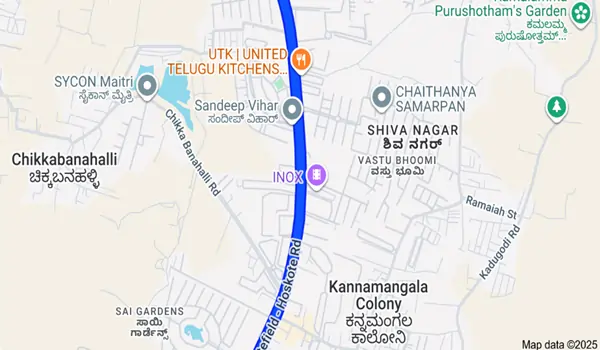
At Brigade Granada, a new 20-acre township on Whitefield–Hoskote Road with 14 high-rise towers, green engineering is built right into the design plans. Since this large project holds about 2,000 homes, the builders set up a top-tier wastewater network to meet state laws. The project uses modern Moving Bed Biofilm Reactors (MBBR) to process massive daily water loads cleanly. This system helps the community dedicate 80% of its land to open parks and green spaces.

The engineering team chose to place the main treatment tanks under open driveways instead of deep inside dark basements. This smart move stops toxic gases from trapping, lowers noise, and gives maintenance trucks easy ground-level access. The recycled water flows through a separate set of dual pipes meant only for flushing and lawns. By planning, this project keeps the neighborhood smelling fresh while fully respecting the local pollution laws.

FAQs


1. What are the financial penalties for running a non-compliant residential STP?

Housing societies face flat fines of 5 lakh Rupees for bad water quality. They can face maximum fines of up to 3 crore Rupees if they fail to build a plant at all. The government can also cut off the building's power and water lines.

2. Which residential buildings are legally required to install an STP in Karnataka?

The latest KSPCB rules state that any complex with 120 or more flats must run an in-house plant. This also applies to any property making over 80 KLD of sewage. Older buildings under the old 20-unit rule should check for local updates.

3. How does the automated OCEMS tracking system change compliance for RWAs?

The new system uses digital pipe sensors to check water clarity every single minute. This data goes straight to the pollution board online. It means the government will catch a broken plant instantly without waiting for an inspector.

4. Why is basement installation discouraged under the latest KSPCB guidelines?

Basement plants trap dangerous methane gas, lack fresh natural air, and make a loud humming noise. Building the plant under open driveways is much safer for the workers and makes it simple for trucks to clean out the waste.

Brigade Granada Blog


Enquiry
Enquire Now