Analyzing the rental yield differences between bare shell and fully furnished units
Featured Image of Analyzing the rental yield differences between bare shell and fully furnished units


Analyzing the rental yield differences between bare shell and fully furnished units reveals that fully furnished properties generate an average gross rental yield of 4.5% to 6.2%. In comparison, bare shell variants hover between 2.5% and 3.8% across primary metropolitan micro-markets. This clear gap happens because modern corporate tenants want to move in right away. They prefer simple homes over the chore of buying furniture. Property investors must decide if the starting cost to furnish a unit brings in enough extra rent to match their profit goals. This data-backed guide breaks down the numbers, repair costs, and renter habits to help you choose the best path for your property investments.

1. What Is Bare Shell and Fully Furnished Units?


Defining the Bare Shell Property

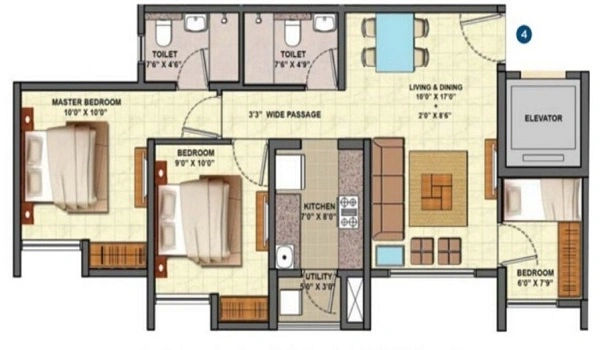
A bare shell property is a space handed over by the builder with only the walls and main utility lines finished. The inside does not have basic flooring, wall paint, kitchen wood, or bathroom taps. Buyers get a completely blank space. This means either the owner or the long-term renter must pay out of pocket to finish the inside before anyone can live there.

Defining the Fully Furnished Property

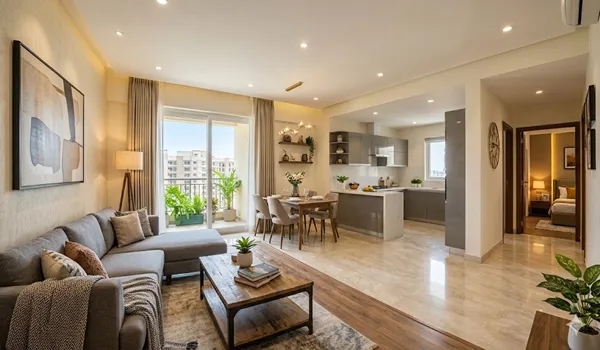
A fully furnished property is a ready home that comes with all the main furniture and everyday appliances you need. It includes a kitchen, wardrobes, beds, a sofa, a dining table, ACs, a TV, and a fridge. Renters just turn the key and move in on day one. They do not have to wait weeks for woodwork or painting to end.

2. Rental Yield Mechanics: Bare Shell vs. Fully Furnished Units


Rental yield is the annual rent money you earn divided by the total price you paid to buy the property. Adding furniture changes both sides of this sum by raising your monthly rent check, but also adding to your starting costs.

Financial Parameter Bare Shell Units Fully Furnished Units
Average Rental Yield 2.5% to 3.8% 4.5% to 6.2%
Monthly Rent Rates Standard Market Rate 25% to 40% Higher Rent
Upfront Interior Cost Very Low (Basic Needs) High (₹10 Lakh to ₹20 Lakh+)
How Long Tenants Stay Long Leases (3 to 5 Years) Short Leases (1 to 2 Years)
Furniture Wear and Tear Virtually Zero High (15% to 20% Loss Yearly)

The Bare Shell Yield Profile

Bare shell investments earn less rent cash each year but offer steady returns with very little daily work for the landlord. Because renters spend their own cash to set up the rooms, they stay much longer, which cuts down on empty months. Upkeep costs stay very low. You do not have to fix broken landlord items or fix up old couches.


The Fully Furnished Yield Profile

Fully furnished homes pull in high rent rates, which helps landlords beat rising living costs easily. These homes do very well in busy city centers where office workers gladly pay extra for a fast move-in. The catch is that renters move out more often, and you have to clean and refresh the look of the rooms every few years.

3. Micro-Market Breakdown: The Brigade Granada Yield Case Study


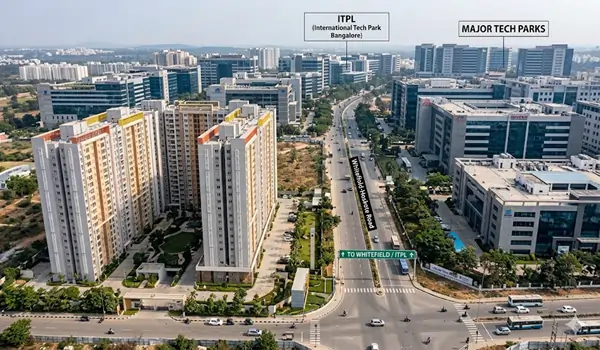
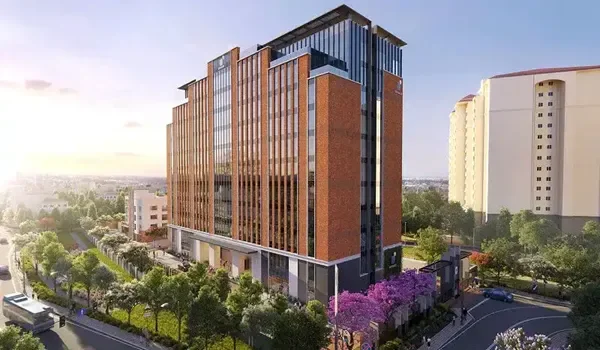
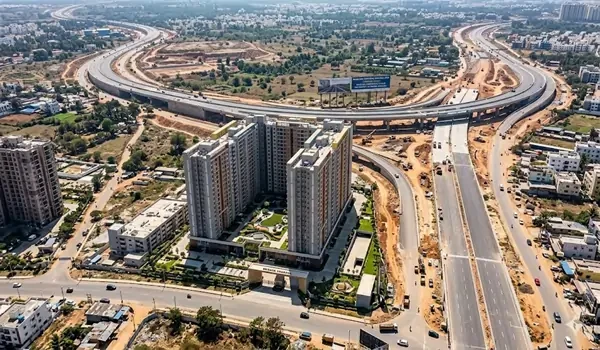
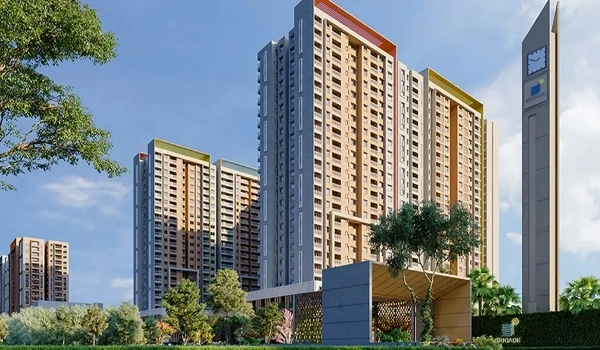
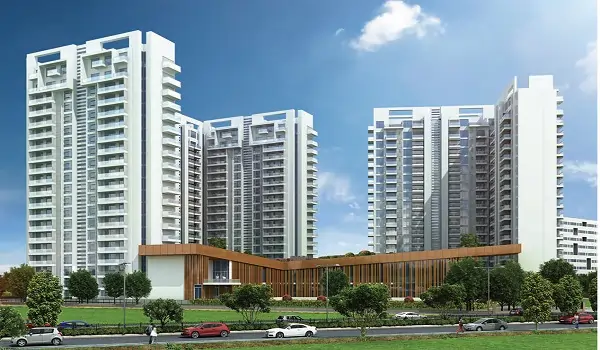
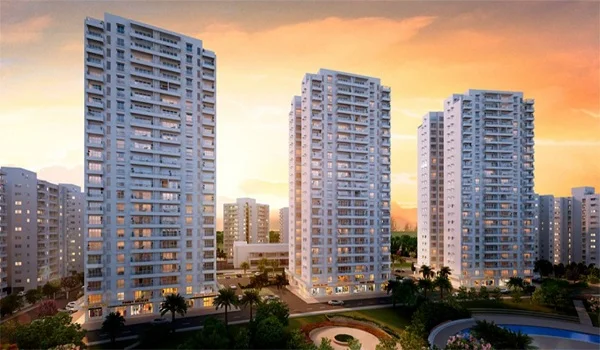
Looking at the rent differences between an empty shell and a fully set-up home shows exactly how spending cash on the inside changes your real-world cash flow. The Brigade Granada project is a large, high-end apartment community built on the Whitefield–Hoskote Road in East Bangalore. It is the perfect real-world example to study if you want to understand these investment choices.

This neighborhood sits right next to the biggest tech parks and the International Tech Park Bangalore (ITPL). Because of this great spot, the main people looking to rent here are well-paid office workers and people moving from abroad who want a simple, ready-to-use home.

Navigating the CapEx vs. Rent Premium Equation in East Bangalore

Buyers who put their money into this project face a clear choice on how to spend their extra cash on the rooms. A plain, empty apartment here brings in a safe but low local rent return of 3.0% to 3.5% each year. However, if a landlord adds high-end furniture and nice appliances, they can easily get 25% to 40% more rent each month. This quick upgrade pushes their yearly return up toward the 4.8% mark and helps them land great corporate renters. This trend shows that local office workers are happy to pay a premium for comfort, which easily covers the cost of fixing up old furniture over time.

4. Key Factors Influencing the Yield Gap


1. Starting Cost and the Break-Even Point

Putting furniture in a house requires a large amount of cash right at the start. An investor needs to count how many months of high rent it takes to win back that initial out-of-pocket spend. For example, if spending $15,000 on furniture brings in an extra $500 each month, it takes exactly 30 months to get your cash back.

2. The Type of Renters in Your Area

Your property spot tells you if buying furniture is a smart financial move. Neighborhoods near tech parks and colleges are full of single workers who move often and need set-up spaces. Quiet country areas attract larger families who bring their own items and avoid homes that already have beds.

3. Aging Furniture and Repair Costs

While land grows more valuable over time, interior furniture loses value fast. Daily use wears down items, clothes, and wooden cabinets by 15% to 20% each year. Good landlords set aside a small slice of their rent money each month to buy new items every five years.

5. Strategic Decision Framework for Real Estate Investors


Choosing between a bare shell or a fully furnished unit comes down to your available ready cash and how much time you want to spend looking after the home.

When to Choose Bare Shell

  • Low Cash Reserves: You want to spend all your cash on buying the building rather than paying interior workers.
  • Passive Income: You want a simple investment where renters stay for years and rarely call you to fix things.
  • Business Renters: You are renting to a firm that wants an empty floor they can paint with their own company's look.

When to Choose Fully Furnished

  • High Monthly Cash Flow: Your biggest goal is getting the highest possible rent checks right away.
  • Busy City Locations: The home is in a booming office area where renters want easy, ready-to-use spaces.
  • Tax Savings: You can use the falling value of your furniture and tools to lower the income tax you pay.

FAQs


1. Does a furnished home find renters faster?

Yes, furnished homes in busy office hubs rent out quickly because young workers want to live there immediately. In quiet suburban towns, they can sit empty longer because families want to bring their own beds.

2. How much does it cost to furnish an empty flat fully?

It usually costs about 10% to 15% of the total price of the home to furnish it well. For a standard nice apartment, this means spending between ₹10 Lakh and ₹20 Lakh for a clean look.

3. How do repair costs affect my actual rent profits?

A furnished place brings in more total cash, but you lose some profit to fixes and age. You must take away the cost of fixing broken items to see your true take-home pay.

4. Can I ask for a larger deposit to cover the furniture?

Yes, many landlords take a double safety deposit when renting out high-end items. One part covers the walls and structure, while the other part protects against broken tools.

5. Does adding furniture make the property price grow faster over time?

No, the value of the property grows based on its location, build quality, and the local market. Furniture loses value over time, while the land and the building are what actually grow your wealth.

Brigade Granada Blog


Enquiry
Enquire Now