Analyzing land acquisition costs and their trickle-down effect on apartment pricing
Featured Image of Analyzing Land Acquisition Costs And Their Trickle Down Effect On Apartment Pricing


Analyzing land acquisition costs and their trickle-down effect on apartment pricing in 2026 shows that raw land values make up 30% to 50% of what you pay for a new apartment in major cities, and every 10% increase in land price pushes final home prices up by 15% to 18%. This upfront land price is just the first step in a very expensive chain reaction. Because developers have to pay so much money right at the start to buy the land, they face immediate increases in other costs like government stamp duty taxes, local builder permit fees, and interest on bank loans.

All of these extra costs stack up quickly and are passed directly to you, the homebuyer, in the form of a higher final price tag. For everyday buyers, this means affordable apartments are pushed further out of the city, while central apartments become too expensive for most families.
1. The Upfront Capital Breakdown of Modern Land Purchases


Raw land acquisition costs in busy city markets take up a massive 40% of a developer's total budget and require them to tie up their cash for at least 18 to 24 months before they can even start building. In today's real estate market, buying a piece of land is much more than just paying the seller for the dirt. A builder has to pay for the raw land itself, hire lawyers to check the property titles, pay the government to change the land use from agricultural to residential, and pay brokers their sales commissions.

Because land is a limited resource in fast-growing cities, its value shoots up the moment any new public projects are announced. If the government plans a new metro train line, a wider highway, or a new IT park nearby, local land prices can double almost overnight. When developers have to bid against each other to buy these hot properties, they end up paying top dollar. The interest they pay on the money they borrowed to buy that land builds up every month, and that interest is eventually added directly to the price of the apartments.

2. Deciphering the Multiplying Cascade: From Land to Retail Price


The trickle-down effect in real estate multiplies the raw land cost by 1.6 times because of high loan interest rates and expensive government building fees. When a developer pays a premium price for a plot of land, every single tax, fee, and service charge after that increases proportionally.

Step Project Stage What Happens & How It Drives Up the Price
1 Buying the Land The builder pays a very high price to buy the raw land, which locks up their cash right away.
2 Government Taxes The builder must pay a 5% to 7% registration tax based directly on that high land price.
3 Loan Interest The builder pays heavy interest charges of 12% to 18% every year on the money they borrowed to buy the land.
4 Building Permits The builder pays expensive city fees to buy extra building rights so they can build taller towers.
5 Final Home Price All these built-up costs are added together, forcing a much higher final price tag onto the homebuyer.

State governments collect a home registration tax called stamp duty, which is usually 5% to 7% of the total land value. When the land is very expensive, this tax bill instantly becomes a multi-crore expense before a single brick is laid.

On top of that, because regular banks rarely lend money just to buy raw land, builders have to borrow from private funds at very high interest rates of 12% to 18% per year. The longer it takes to get all the government approvals to start building, the more this loan interest piles up, which drives the final apartment price even higher.

3. How Strategic Peripheral Land Banking Cushions Pricing at Brigade Granada


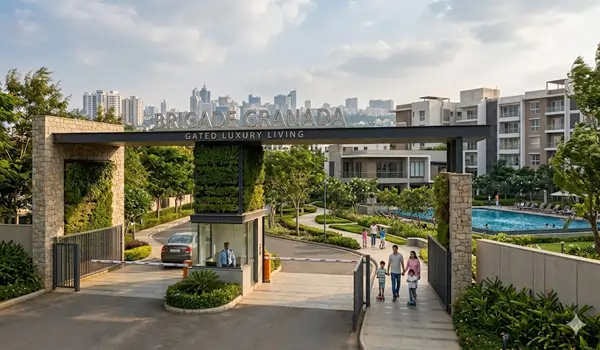
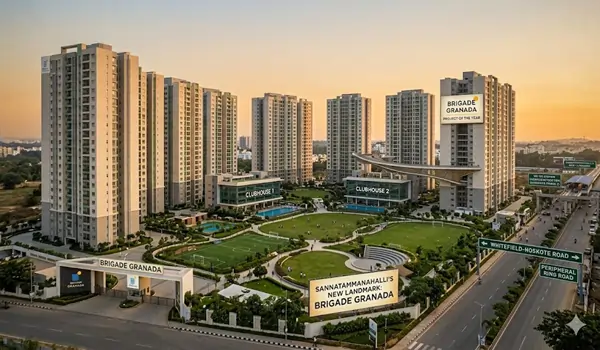
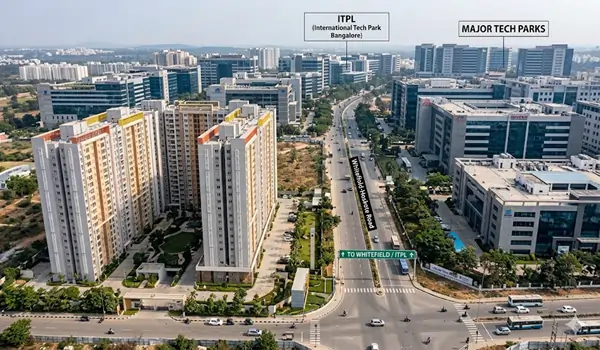
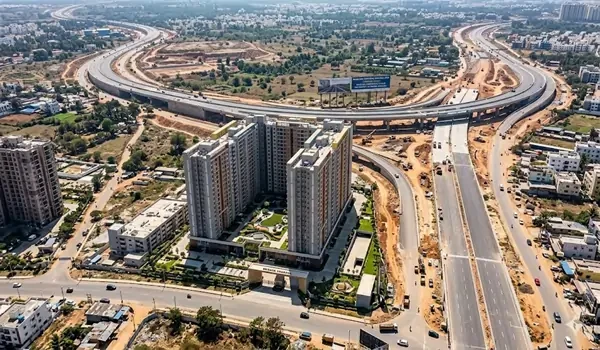
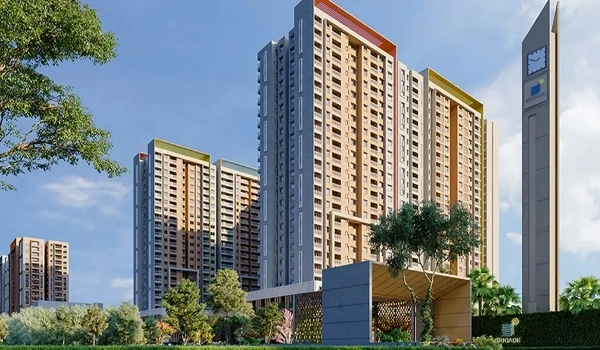
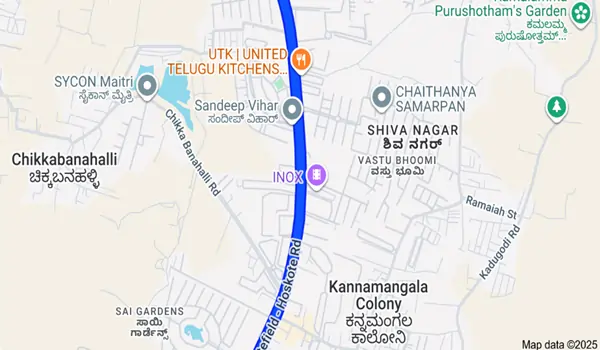
An analysis of the 20.19-acre Brigade Granada township on the Whitefield–Hoskote Road in East Bangalore shows that buying land at a lower price of ₹6,000 per square foot allows developers to offer premium flats at a competitive starting rate of ₹12,083 per square foot. By choosing to buy a large parcel of land in an up-and-coming area rather than in a crowded, overpriced tech hub, the Brigade Group kept its early expenses low.

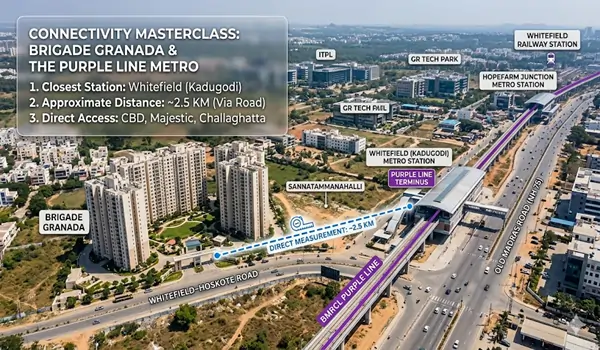
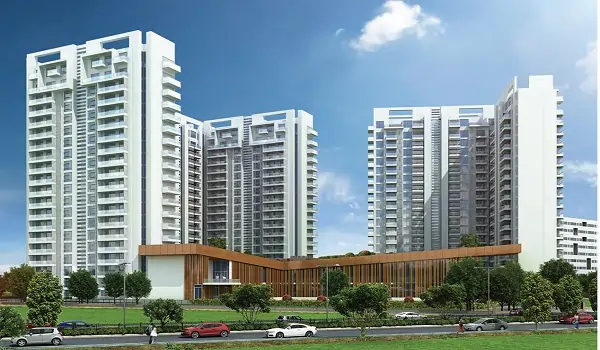
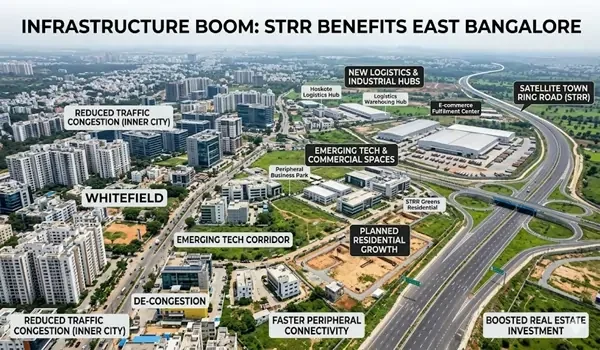
The Whitefield–Hoskote road is changing fast from a quiet suburban road into a very popular place to live because it sits close to major office parks like ITPL and the Kadugodi Metro Station. While buying land in the middle of Whitefield is incredibly expensive and pushes apartment prices up to ₹15,500 per square foot, Hoskote offers a much friendlier price point. Brigade Granada uses this lower land cost to build 14 high-rise towers with about 2,000 luxury apartments, offering premium living without the extreme price tag.

You can see the direct link between the cheap land purchase and the final apartment prices in the actual project configurations:

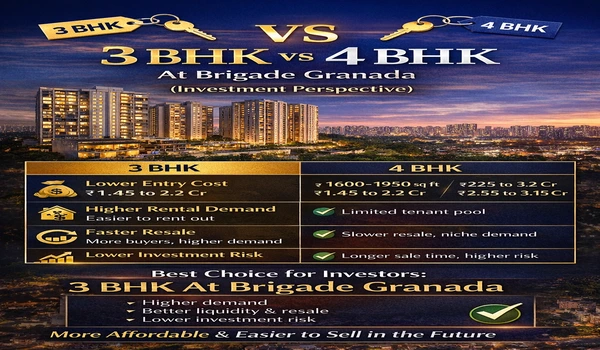
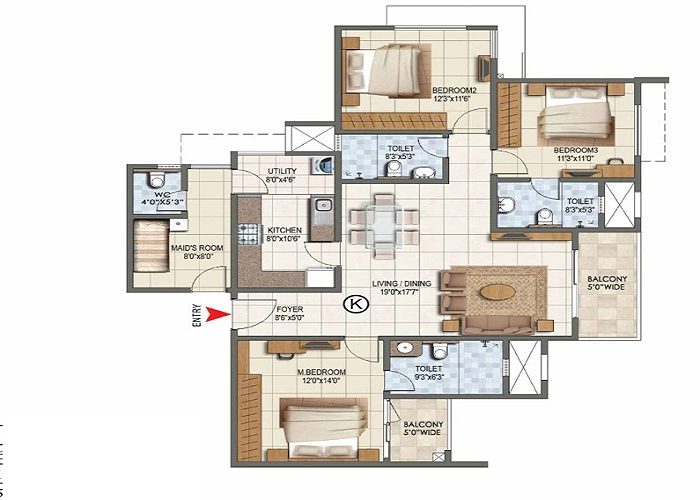
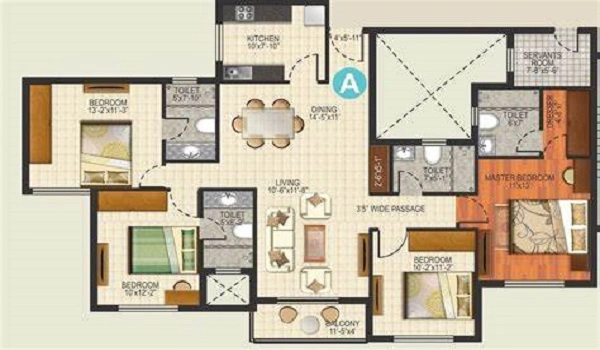
  • 2.5 BHK Flats: Sizes from 1,200 to 1,400 sq. ft., with prices starting at ₹1.45 Crore.
  • 3 BHK Flats: Sizes from 1,600 to 1,950 sq. ft., with prices starting at ₹2.12 Crore.
  • 4 BHK Flats: Sizes from 2,200 to 2,800 sq. ft., with prices starting at ₹3.15 Crore.

Because the builder bought this land in a fast-growing area, they plan to raise the prices step-by-step. After the official launch, the price per square foot is expected to go up from ₹12,083 to ₹13,500 as more roads and shops open nearby. This planned price hike proves that as the value of local land goes up, the value of the apartments built on it goes up, too.

4. Structural Strategies Developers Use to Offset Land Valuation Spikes


Developers lower their land costs by signing Joint Development Agreements (JDAs) that save them from paying 90% of the land cost upfront, and by buying extra building rights to build taller towers. These business methods help builders keep their profits steady while keeping home prices within a reasonable range.

In a standard JDA, the landowner hands over the land to the developer instead of selling it for cash. The developer then pays for all the construction, gets the government permits, and sells the flats. Once the project is finished, they split the sales money or the actual apartments usually sharing them 40:60 or 50:50. This smart deal stops the builder from spending all their cash on land at the very start, which saves them from paying massive loan interest fees that would otherwise make the apartments too expensive.

To get the most out of expensive land, builders also pay city councils for extra building rights, called Floor Space Index (FSI). This FSI lets them build tall towers that go up 24 to 55 floors. By building more apartments on the same piece of land, they can split the high cost of the land among many more buyers, lowering the land price portion for each flat.

5. The End-User Trade-Off: Unit Squeezes and Peripheral Shifts


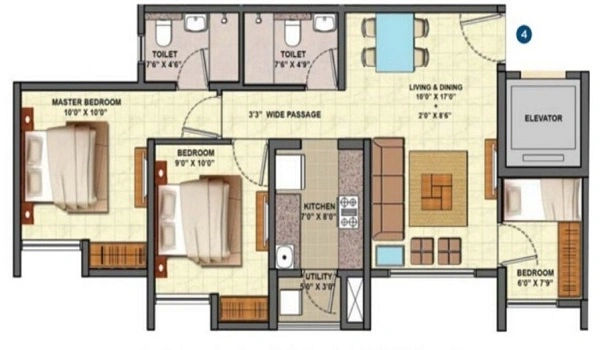
High land costs force builders to shrink the size of average apartments by 15% to 20% so that the final price stays cheap enough for a middle-class family to afford. When land prices skyrocket, keeping apartments large and spacious makes them too expensive for the average working professional.

  • Smaller Homes: To keep a 3 BHK flat affordable, builders have to design smarter, more compact layouts rather than large, sprawling rooms.
  • Moving to the Suburbs: Home buyers who want big rooms and open spaces are forced to move further away from the city center. While these newer neighborhoods offer bigger homes for less money, they usually have fewer buses, trains, and shops, meaning longer daily commutes.
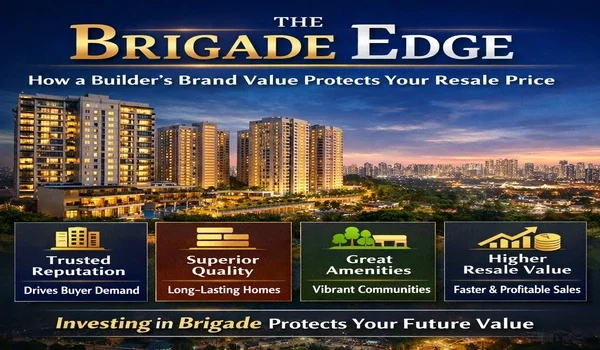
  • Better Long-Term Resale Value: On the bright side, apartments built on highly valued land in good locations hold their price much better. Buyers who pay a premium for a great location enjoy much higher rent payments from tenants and faster growth in their home's value over time.

FAQs


1. What share of a flat's price comes from the land cost?

Land costs usually make up 30% to 50% of what an apartment costs in big cities. In the very middle of a busy city, land is rare so that it can drive prices up to 60% or 70% of the total cost. In quiet suburbs further out, land is cheaper, so it might only make up 20% of the price tag.
2. Why are pre-launch apartment prices lower for buyers?

Pre-launch prices are lower because builders want to get quick cash from early buyers to pay off their initial land bills and permit fees. Getting this early cash saves the builder from taking out expensive bank loans with high interest rates. The builder then passes these interest savings directly down to early buyers who are willing to wait for the tower to be built.

3. What is a Joint Development Agreement (JDA) in simple words?

A JDA is a business partnership where a landowner gives the land and a developer handles all the building work and government paperwork. Instead of the builder buying the plot for a massive amount of cash upfront, both partners agree to split the finished flats or the sales money later on. This smart setup keeps early costs very low for the builder, which helps keep initial home prices stable.

4. How do new roads and metro lines change apartment prices?

Whenever the government builds a new metro train line, a highway, or a park, local land becomes much more valuable because it is easy to reach. Builders must pay a premium price to buy plots near these new transit lines. Because they paid so much more for the location, they have to raise the final price of the new flats to cover their expenses.

Brigade Granada Blog


Enquiry
Enquire Now