Generational wealth transfer setting up a trust for real estate assets in India

Featured Image of Generational wealth transfer setting up a trust for real estate assets in India


Generational wealth transfer through setting up a private trust for real estate assets in India is the best way to protect your family's properties. Under the Indian Trusts Act, 1882, a private trust is a simple legal setup where you transfer your property to a helper to look after it for your family. This smart move keeps your valuable land and houses safe from family fights, debt collectors, and high state taxes while making sure your kids get the property smoothly. Instead of using a Will, which forces your family to go to a slow and costly probate court in big cities like Mumbai or Chennai, a private trust starts working right away to keep your family matters completely private.


The Legal Blueprint: Parties to a Private Family Trust in India


Setting up a family trust is easy to understand when you look at the four main roles. Each person has a simple, clear job to do under the Indian Trusts Act, 1882.

A private trust keeps your assets safe by separating who owns the property from who enjoys its benefits. This structure keeps your property in safe hands and ensures your wishes are followed.

  • The Settlor (The Owner): This is you—the person who owns the real estate now and decides to start the trust.
  • The Trustee (The Manager): This is a trusted friend, relative, or bank that manages the properties day-to-day.
  • The Beneficiaries (The Family): These are your children, spouse, or grandkids who get the rent or live in the houses.
  • The Protector (The Guard): This is an optional neutral person you choose to watch over the trustees and make sure they do a good job.

Step-by-Step Guide: Setting Up a Trust for Real Estate in India


Moving your real estate into a family trust is a clear, step-by-step process that you can finish with just a few legal steps.

1. Write the Trust Paper: Prerequisite Phase.

Write a clear Trust Deed that lists the names of your family members and explains who gets the rent money.

2. Buy Stamp Paper: Immediate Action.

Print the Trust Deed on local non-judicial stamp paper and pay the stamp fee required by your state.

3. Register the Paper: Section 5 Mandate.

Take the signed deed to your local Sub-Registrar's office to make it official with two witnesses.

4. Change the Owner Name: Asset Funding.

Sign a Transfer Deed to move the official property ownership from your personal name to the trust name.
5. Open a Bank Account: Financial Setup.

Get a tax PAN card for the trust and open a separate bank account to collect rent and pay home bills.

Strategic Asset Placement: Protecting High-Growth Properties Like Brigade Granada


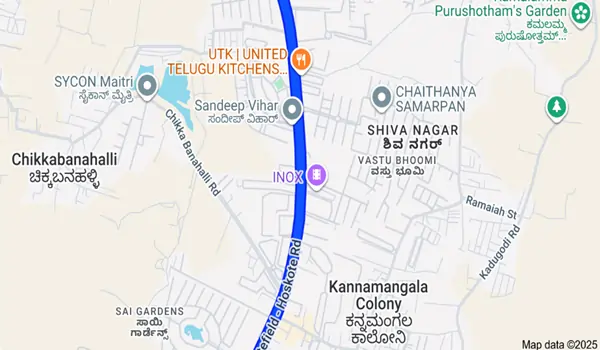
Using a family trust is a smart way to protect new, high-value real estate investments for your children. A great real-world example of this is Brigade Granada, a beautiful new residential township on the Whitefield-Hoskote Road in East Bangalore.

This premium project spreads across 20 acres of land and features 14 tall towers with spacious 2.5, 3, and 4 BHK luxury apartments starting at ₹1.45 Crore. Since East Bangalore is a busy IT hub, buying a flat here is a great long-term investment that brings in excellent monthly rent. Putting a premium home like Brigade Granada into a private trust gives your family three simple benefits:

  • No Heirs Can Fight: Because the trust owns the apartment, your children cannot split the flat or force a sudden sale of the home.
  • Easy Rental Income: The trust collects the monthly rent from the flat and gives it directly to your kids without any court delays.
  • Safe from Business Risks: If you face business losses or bank debts in the future, the home inside the trust is completely safe from creditors.

Revocable vs. Irrevocable Trusts: Easy Comparison


You can choose between two main types of trusts depending on how much control you want to keep over your properties.

Feature Revocable Trust (Changeable) Irrevocable Trust (Permanent)
Can you change it? Yes, you can cancel or change the trust anytime you like. No, once you sign the property over, you cannot take it back.
Is it safe from debts? No, if you have business debts, courts can take these assets. Yes, it offers complete safety from creditors and lawsuits.
How is it taxed? Taxed directly as your personal income under Section 61. Taxed separately as its own entity, usually at the highest tax slab.
Best used for: Simple planning where you still want to control the property. Total asset protection and securing family wealth for the long term.

Simple Tax Rules for Real Estate Trusts in India


The tax department looks at private trusts in two simple ways, depending on how you distribute the money.

  • Fixed Trusts (Clear Shares): If you state exactly what percentage of rent goes to each child, they pay tax based on their own personal income slabs.
  • Flexible Trusts (Unclear Shares): If the trustees decide how much money to give each year, the trust's income is taxed at the flat maximum rate of 42.74%.
  • Transfer Stamp Duty: Moving a property from your personal name into a trust is treated like a transfer, so state stamp duty fees will apply.

FAQs


1. Can one trust hold more than one property in India?

Yes, a single private trust can hold multiple homes, offices, plots of land, or flats across different cities in India under one name.

2. Do I have to register the trust deed at a government office?

Yes, under Indian law, any trust that holds physical land or buildings must be officially registered at the local registrar's office to be valid.

3. Can a trust protect my home if I face a business bankruptcy?

Yes, if you use an irrevocable trust, the property belongs to the trust and not to you, so business creditors cannot touch it.

4. Can family members living outside India (NRIs) receive money from the trust?

Yes, NRI family members can receive money from the trust, but the transfers must follow the foreign exchange laws (FEMA) of India.

5. What happens if the trustee passes away?

If a trustee passes away, the remaining trustees or family members can easily appoint a new trustee as per the rules written in your Trust Deed.

Brigade Granada Blog


Enquiry
Enquire Now